High water pressure: the quiet reason fixtures keep failing
If toilets run on their own, faucets drip soon after repair, or pipes bang when a valve closes, the cause may be pressure, not the fixtures.
By Nora Chambliss, Plumbing Articles EditorPublished March 4, 2026
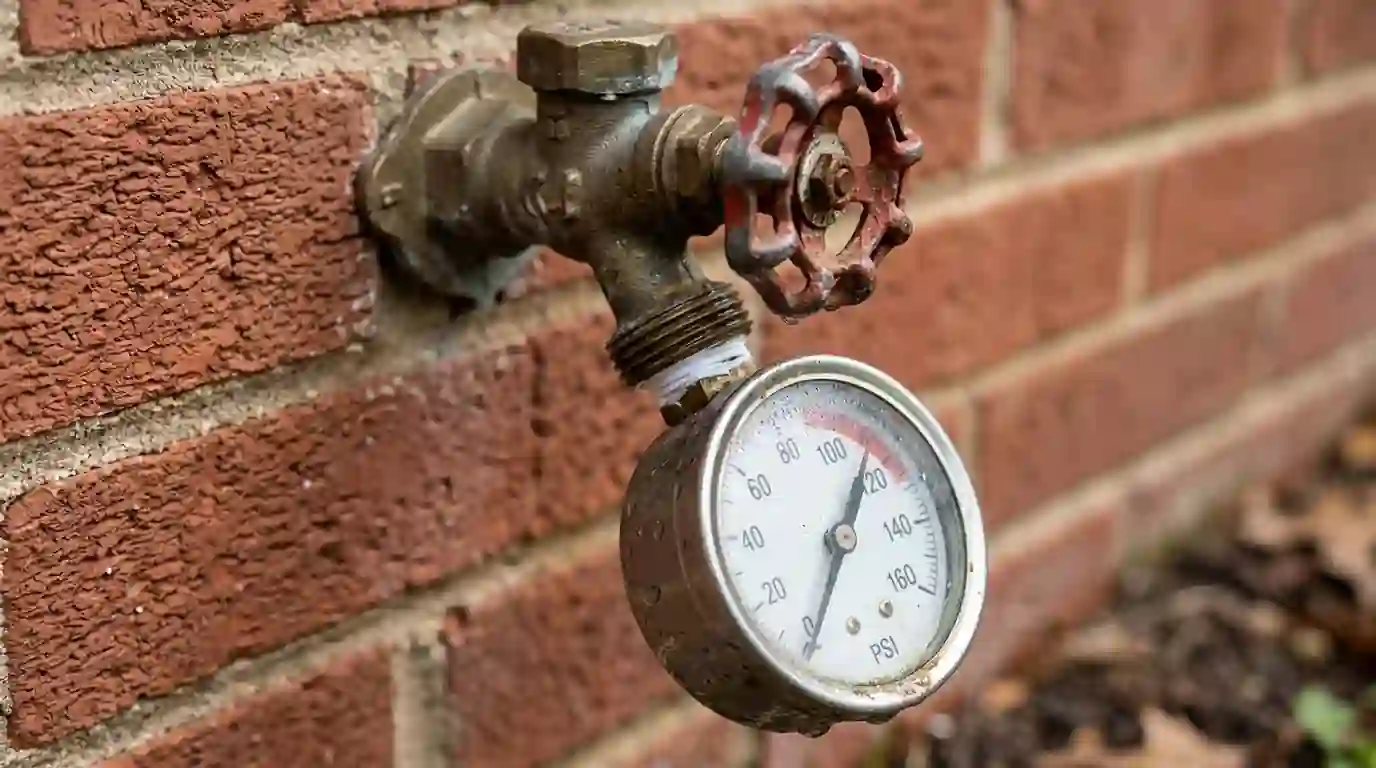
What normal looks like
Most homes do well between about 50 and 70 psi. Street pressure varies with elevation, distance from pumping stations and time of day. Some neighborhoods, especially on hillsides in places like El Dorado Hills and Folsom, see much higher numbers.
What high pressure does
Every fixture and appliance in the house is built for a certain pressure range. Above it, fill valves, cartridges, washing machine hoses, dishwasher valves and ice maker lines wear faster. Water hammer, the bang when a valve closes quickly, puts sudden stress on fittings.
How to check
A simple pressure gauge that threads onto a hose bib costs little at a hardware store. Read it with no water running. If it shows above about 80 psi, the plumbing code calls for a regulator. We check pressure on most service calls.
The fix
A pressure reducing valve installed after the main shutoff brings pressure down to a household range. Regulators wear out too, often after 10 to 15 years, and when they fail they let full street pressure through.
Signs a regulator has failed
A regulator that has worn out usually fails open, letting street pressure through. Signs include a sudden increase in water force at faucets, a water heater relief valve that starts dripping, toilets that run or hiss, and new banging in the pipes.
Some regulators fail the other way and choke flow, making pressure drop throughout the house. Either way, a gauge reading tells the story in a minute.
Pressure and appliances
Washing machines, dishwashers, refrigerators and tankless heaters all have inlet valves rated for a pressure range. Running them above it shortens their life and can void warranties. Washing machine hoses under high pressure are a common source of indoor floods.
Keeping pressure in the household range protects every one of those appliances at once, which is why a regulator is one of the best-value plumbing parts in a house.
Do not forget the expansion tank
A regulator closes the plumbing system, so heated water has nowhere to expand. An expansion tank on the water heater absorbs that expansion. Without one, the heater's relief valve may drip or the tank may be stressed.
Questions readers ask
Can pressure be too low?
Yes. Low pressure usually comes from old galvanized pipe, a failing regulator, a partly closed valve or a service line problem.
How long does a regulator replacement take?
Usually one to two hours.
About the author
Nora Chambliss edits the plumbing articles for John's Plumbing, turning what our plumbers see on Sacramento-area jobs into plain guides for homeowners.
Water where it should not be? Call now.
A John's plumber answers (916) 602-0883 day and night, tells you how to stop the damage, and quotes the repair before any work starts.