Why Sacramento's clay soil leads to slab leaks, and what to watch for
If your home sits on a slab anywhere on the Sacramento Valley floor, the ground under it moves every year. Here is what that means for the pipes inside the concrete.
By Nora Chambliss, Plumbing Articles EditorPublished September 3, 2026
The soil that moves
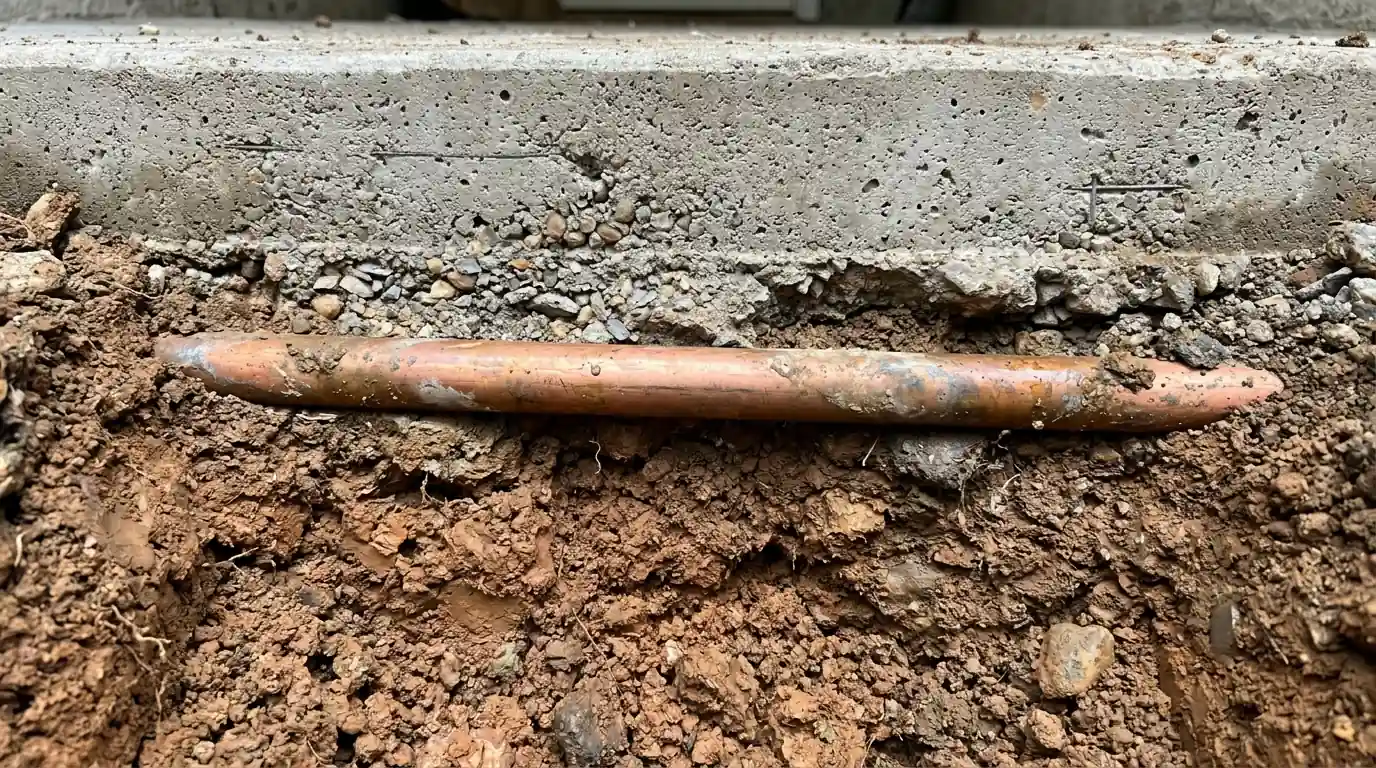
Much of the valley floor, from Natomas to South Sacramento and Elk Grove, sits on clay-rich soil. Clay swells when it gets wet and shrinks when it dries. After a rainy winter and a long dry summer, the ground under a slab has gone through one full cycle of swelling and shrinking, and it does that again every year.
A concrete slab is stiff, but the soil and gravel under it are not. Copper water lines laid in or under the slab sit right where that movement happens, and over decades the pipe rubs against gravel, rebar and concrete edges.
Why the hot line fails first
Hot water makes copper expand. Every time hot water runs and the line cools again, the pipe moves a tiny amount against whatever touches it. Multiply that by several cycles a day for twenty or thirty years and you get a worn spot that finally becomes a pinhole.
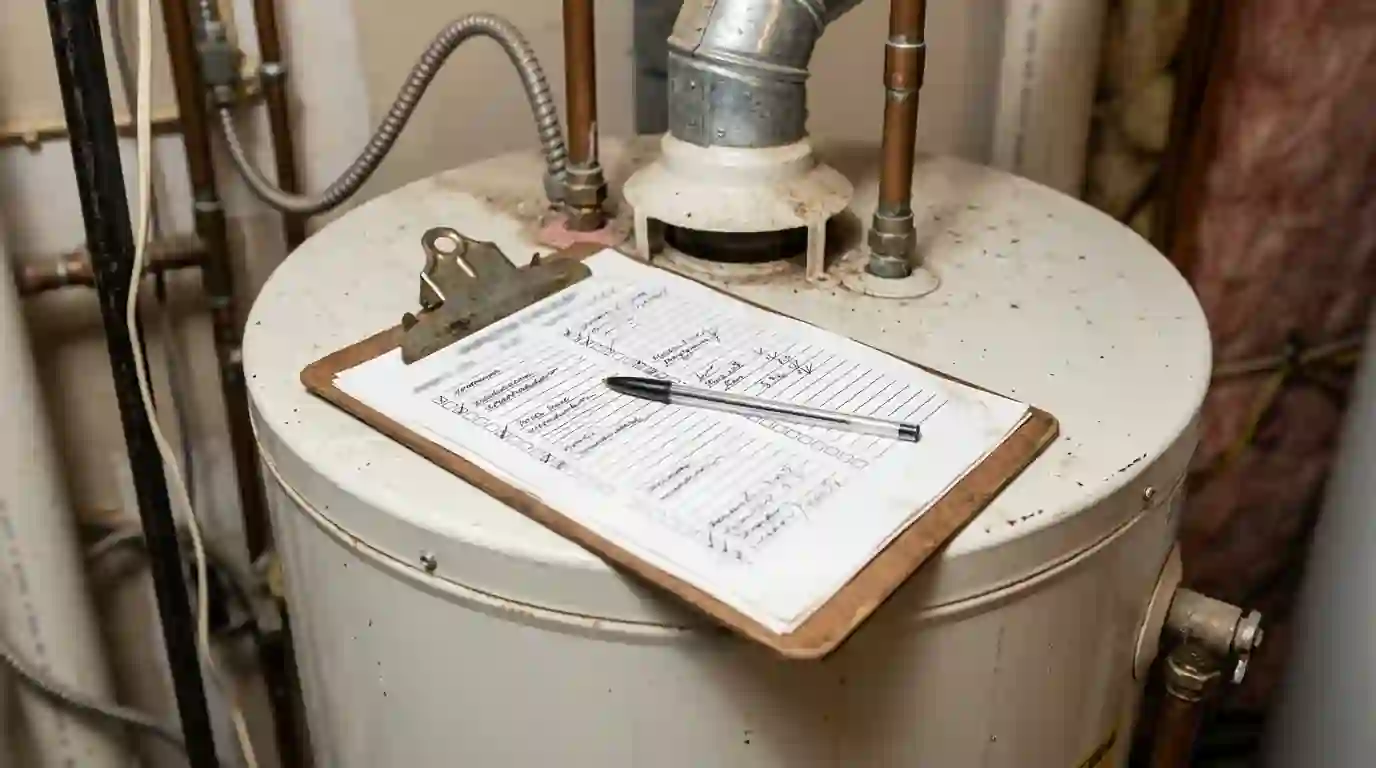
That is why most slab leaks we find are on the hot side, and why a running water heater is one of the first clues.
Signs that point to a slab leak
Look for a warm spot on tile or carpet, a water heater that seems to run all the time, the sound of running water when everything is off, cracks or damp spots along baseboards, and a water bill that climbs without a reason.
The most reliable home test is the meter. Turn off every fixture and appliance, then watch the small leak indicator on your water meter for a few minutes. If it moves, something is leaking. Our leak detection visit takes it from there.
Spot repair or reroute?
Once a leak is pinpointed, there are two honest choices. A spot repair opens a small section of the slab, replaces the bad piece of pipe and closes it again. A reroute abandons the line under the slab and runs new pipe through the attic or walls.
If the copper is in good shape and this is the first leak, a spot repair is usually the economical choice. If the pipe is thin, or this is the second leak in a few years, a reroute often costs less over time. Our slab leak repair page covers both in detail.

Why it is worse in some neighborhoods
Homes built from the 1970s through the early 2000s are the most common slab leak calls we see, because that is when copper laid directly in or under the slab was standard practice for production builders. Natomas, Elk Grove, Rancho Cordova, Citrus Heights and much of the Pocket fit that profile.
Older homes on raised foundations, like many in Land Park and East Sacramento, have their supply lines in a crawlspace instead. Those lines still leak, but you can see and reach them, so the repair is simpler and cheaper.
What a detection visit looks like
We start at the meter to confirm water is moving, then close valves to split the system into hot, cold, irrigation and service line. A pressure gauge on each side shows which one is losing water. Then we listen through the floor with acoustic equipment and check for warm spots with a thermal camera, and mark the leak on the floor.
Most visits take a couple of hours. You leave with a marked location, photos, and a written comparison of repair options, so you can decide without being rushed.
What you can do now
Know where your main shutoff is, check the meter a few times a year, and do not ignore a warm floor. Early slab leaks are small, cheap repairs. Slab leaks that run for months can damage flooring, cabinets and the soil under the house.
Questions readers ask
Does homeowners insurance cover slab leaks?
Many policies cover the cost of accessing the leak and repairing resulting damage, but not the pipe itself. Check your policy and keep the documentation we provide.
Can a slab leak damage the foundation?
Water under a slab can soften soil and add to settlement over time, which is one more reason not to let a leak run.
About the author
Nora Chambliss edits the plumbing articles for John's Plumbing, turning what our plumbers see on Sacramento-area jobs into plain guides for homeowners.
Water where it should not be? Call now.
A John's plumber answers (916) 602-0883 day and night, tells you how to stop the damage, and quotes the repair before any work starts.