Polybutylene pipe in early-1990s Sacramento homes: how to spot it
Many homes built from the late 1970s through the mid-1990s were plumbed with a gray plastic pipe that later earned a poor reputation.
By Nora Chambliss, Plumbing Articles EditorPublished September 17, 2026
What polybutylene is
Polybutylene is a flexible plastic supply pipe that was widely installed across the United States from the late 1970s into the mid-1990s. It was cheap and easy to install, and builders used it in many tract homes of that era.
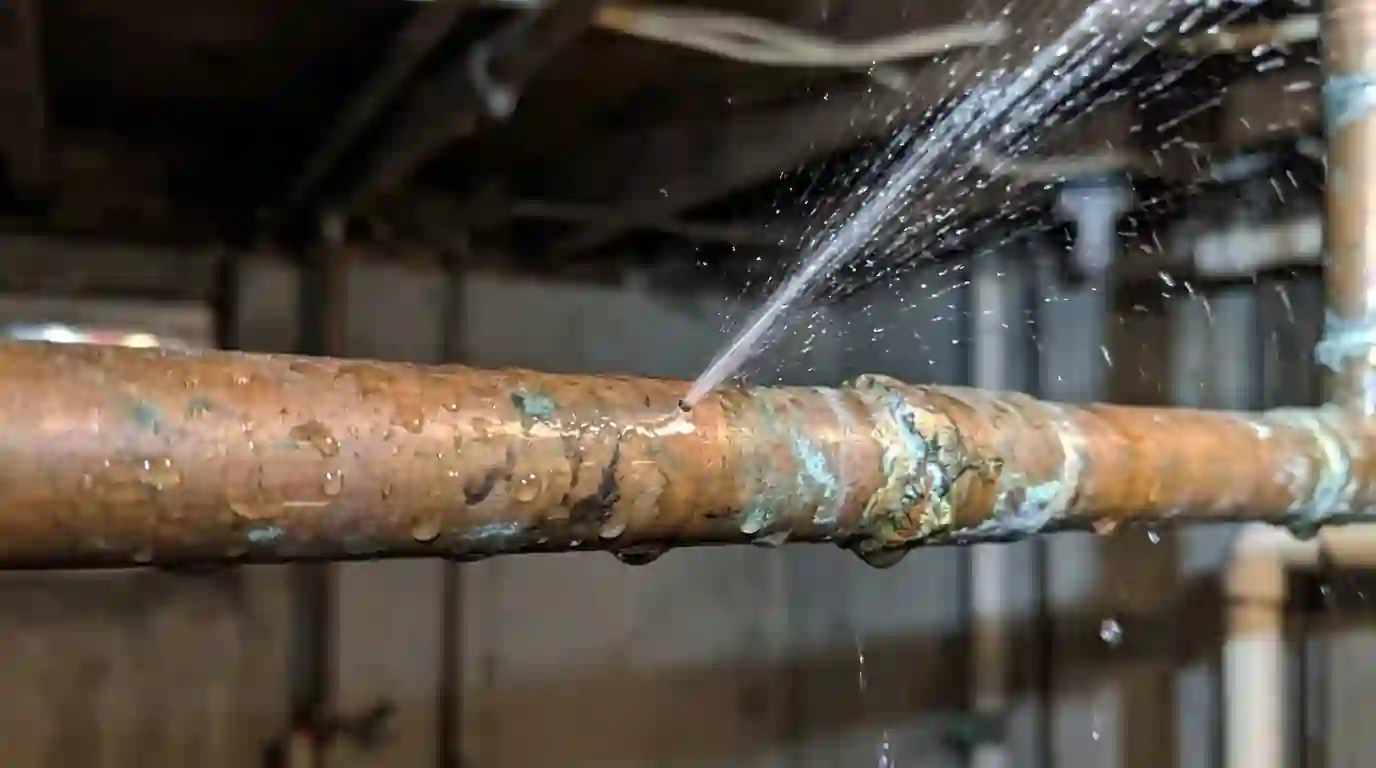
Over time, many systems developed leaks and sudden failures, often at fittings. Polybutylene was eventually dropped from plumbing codes, and replacing it became a common recommendation.
How to spot it
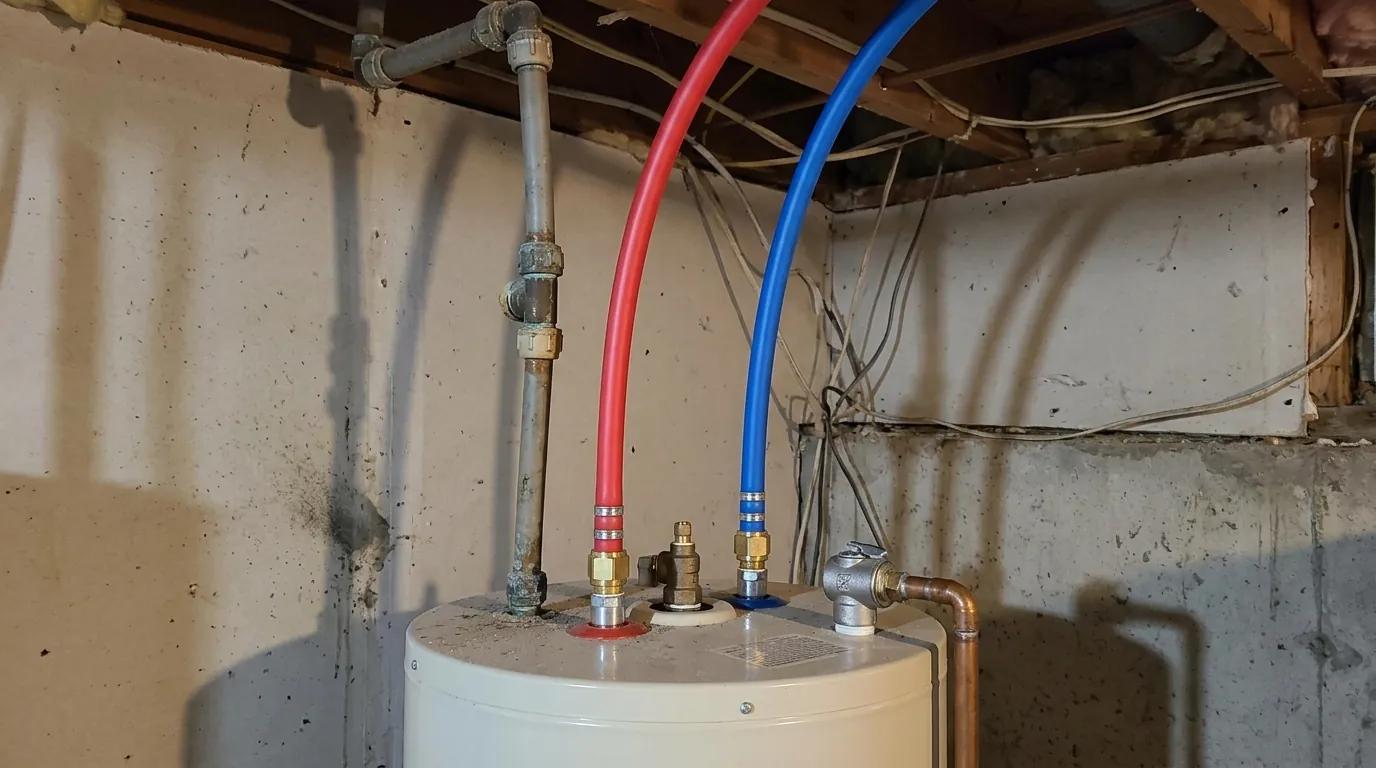
Look where pipes are exposed: at the water heater, under sinks, behind toilets and where the water line enters the house. Polybutylene is usually gray, sometimes blue or black, and often marked with the code PB2110 printed on the pipe. Fittings may be plastic or crimped metal rings.
Do not confuse it with PEX, the modern flexible pipe that is usually red, blue or white and printed with PEX. If you are not sure, a plumbing inspection answers it in a few minutes.
Where we find it
In the Sacramento region, homes from the 1980s and early 1990s in areas like South Natomas, Antelope, Citrus Heights, Rancho Cordova and parts of Elk Grove are the most likely candidates. Many have already been repiped; many have not.
Why it matters for owners and buyers
Insurers and buyers often ask about polybutylene. Some insurers price it as a risk, and buyers may use it in negotiation. Knowing whether you have it, and having a plan for it, avoids surprises at sale time.
Questions to ask when buying
Ask the seller whether the home has been repiped and when, and ask for any invoices. Look at the pipe at the water heater and under the kitchen sink yourself during a showing. If you see gray plastic, ask your inspector to note it and get a repipe price before the inspection deadline.
A repipe price in hand turns an unknown into a number you can negotiate with.
Replacing it
Replacement means a whole-house repipe with PEX or copper. Because polybutylene was often run through attics, replacements can usually follow similar routes, keeping wall openings small. Most homes are done in two to four days.
Questions readers ask
Is polybutylene going to fail tomorrow?
Not necessarily. Many systems are still working, but the failure history is why most owners plan replacement rather than waiting.
Can I replace only the fittings?
Fittings were a common failure point, but the pipe itself also degrades. Partial fixes rarely make sense long-term.
About the author
Nora Chambliss edits the plumbing articles for John's Plumbing, turning what our plumbers see on Sacramento-area jobs into plain guides for homeowners.
Water where it should not be? Call now.
A John's plumber answers (916) 602-0883 day and night, tells you how to stop the damage, and quotes the repair before any work starts.