Galvanized pipes in older Sacramento homes: when to repipe
If your home was built before about 1960, there is a good chance some of its water lines are galvanized steel, and they are now more than sixty years old.
By Nora Chambliss, Plumbing Articles EditorPublished June 17, 2026
What galvanized pipe is
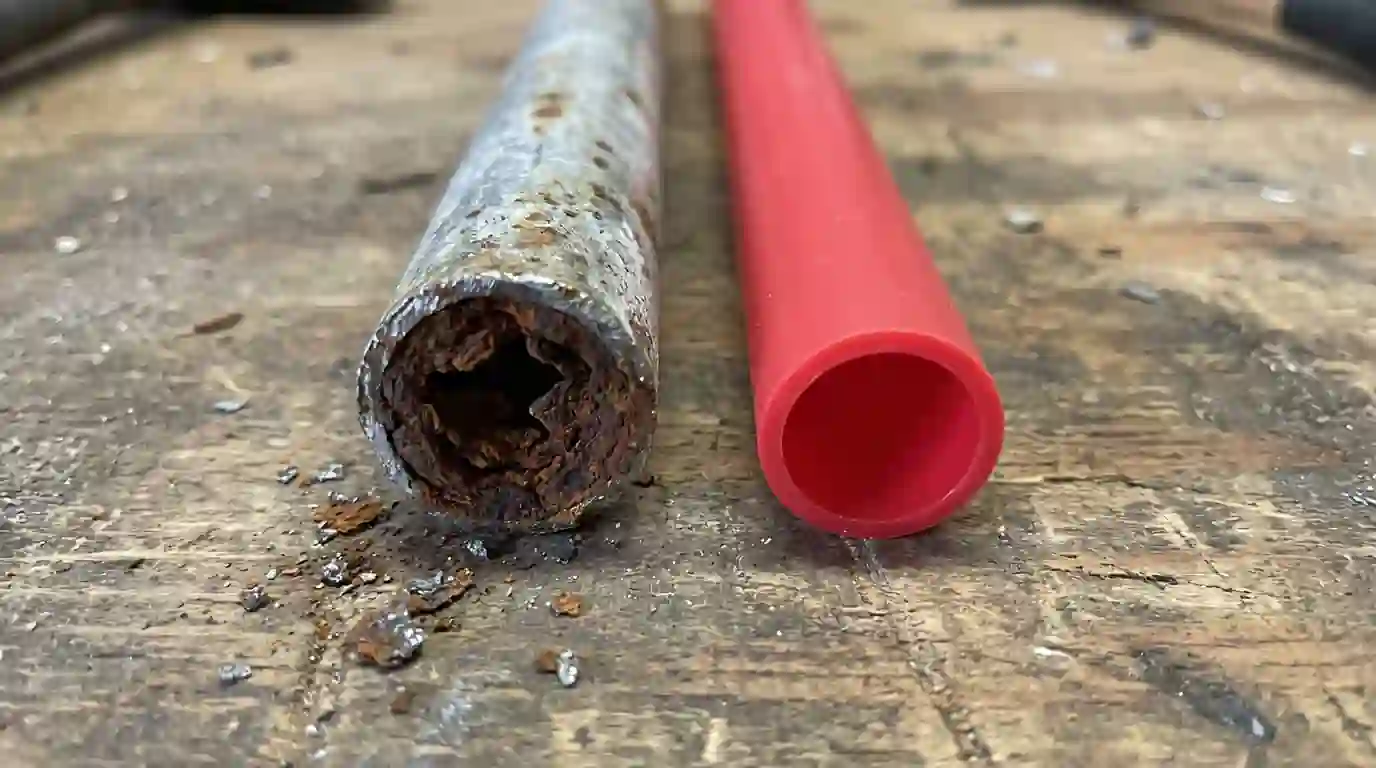
Galvanized pipe is steel coated with zinc to slow rust. It was the standard for household water lines through the first half of the twentieth century. The zinc wears away over decades, and the steel underneath rusts from the inside out.
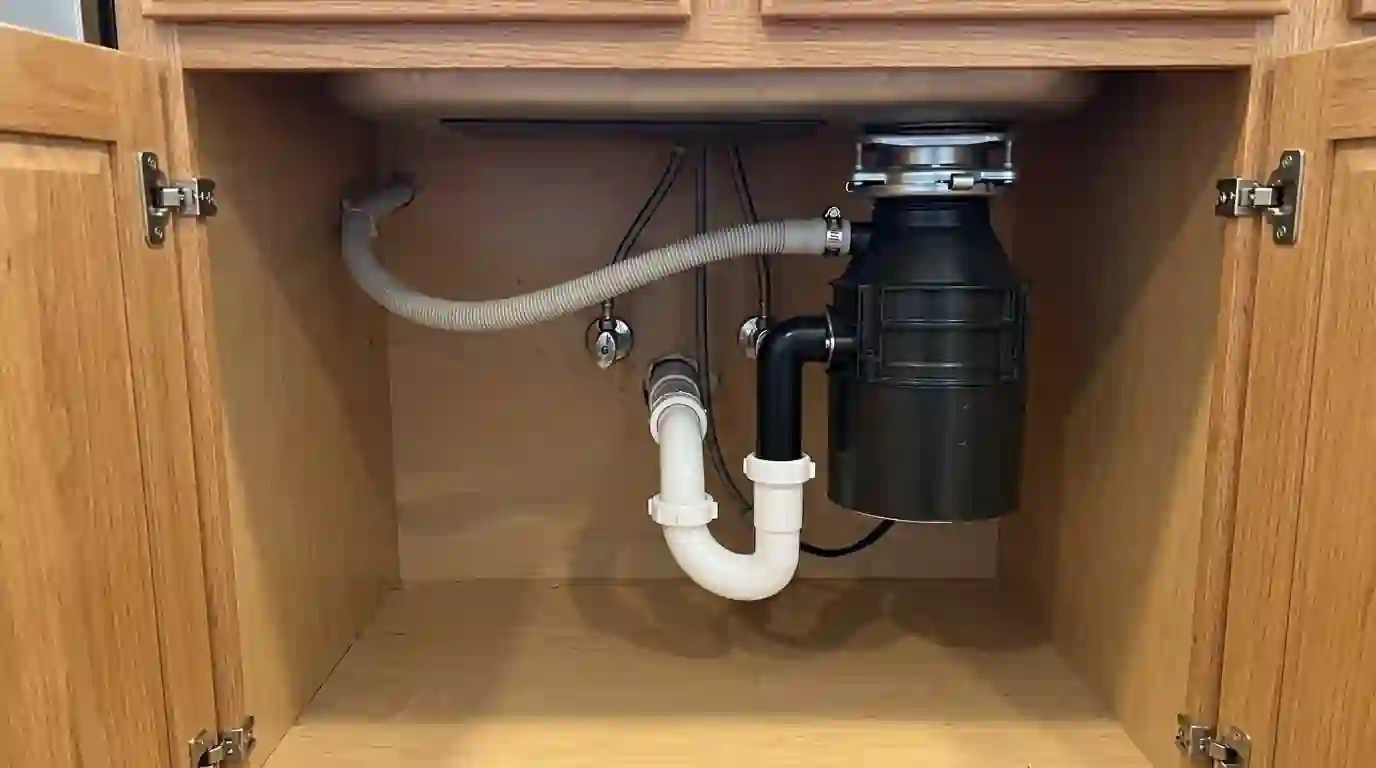
You can often spot it at the water heater or under sinks: dull gray pipe with threaded fittings. A magnet sticks to it, which is not true of copper or plastic.
The problems it causes
As rust builds up inside, the opening narrows. Pressure drops, often worst on the hot side and at upstairs or far fixtures. Water may come out brown after sitting overnight. Threaded joints, where the pipe wall is thinnest, start to leak.
Patching a leak buys time, but the rest of the system is aging at the same rate.
Neighborhoods where we see it most
Land Park, Curtis Park, East Sacramento, Tahoe Park, Oak Park, North Sacramento and the oldest parts of many surrounding towns. Many homes there have had kitchens and baths remodeled, but the pipe in the walls between them is often original.
Planning a repipe
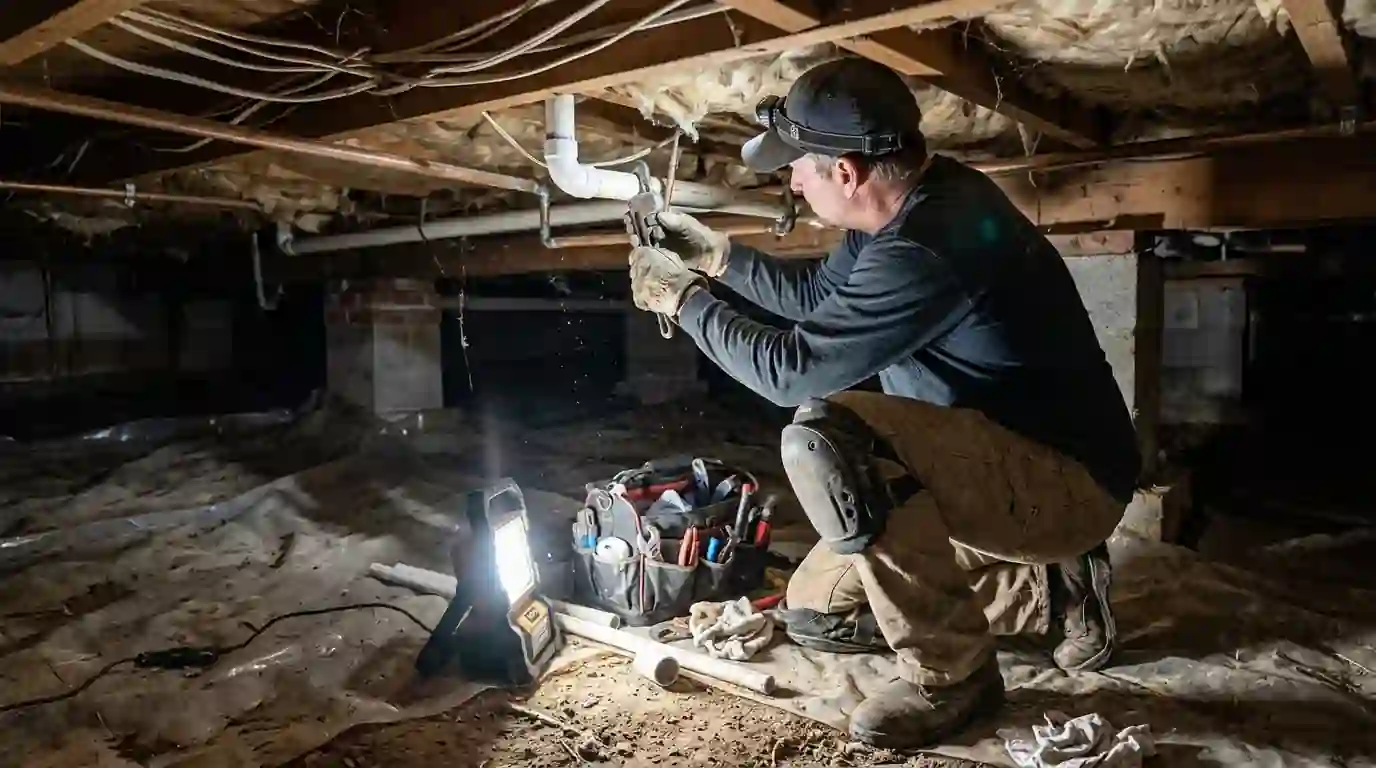
A whole-house repipe replaces every supply line from the main to each fixture, usually with PEX or copper. In homes with crawlspaces, much of the work is done from below. Openings in walls are small and patched afterward.
Most homes are repiped in two to four days, with water back on in the evenings.
PEX or copper for the new system
PEX is flexible plastic tubing that snakes through walls with fewer openings, resists freeze damage and costs less to install. Copper is rigid, long proven and preferred by some owners in historic homes. Both are good choices; the right one depends on budget, the layout of the house and personal preference.
Whichever you choose, a repipe should include new shutoff valves at every fixture and a new main valve, so the whole system is fresh at once.
What happens to the drains
A repipe replaces water supply lines, not drains. Older homes with galvanized supply often have cast iron or galvanized drains as well. Those are a separate decision, usually guided by a camera inspection of the main drain and sewer lateral.
If you are opening walls for a remodel, it can make sense to replace drain sections at the same time while access is easy.
If you are buying
Ask for a plumbing inspection before closing. Knowing whether a home has galvanized pipe is worth thousands in negotiation.
Questions readers ask
Is galvanized pipe dangerous?
Older galvanized pipe can collect lead from earlier lead service lines or solder, which is one more reason many owners replace it. Testing your water answers the question.
Can I replace only part of it?
Yes, but corrosion often moves to the remaining galvanized sections and to transitions. A planned full repipe is usually the better value.
About the author
Nora Chambliss edits the plumbing articles for John's Plumbing, turning what our plumbers see on Sacramento-area jobs into plain guides for homeowners.
Water where it should not be? Call now.
A John's plumber answers (916) 602-0883 day and night, tells you how to stop the damage, and quotes the repair before any work starts.