Burst pipe? What to do in the first ten minutes
Most of the damage from a burst pipe happens in the first hour. A few quick moves in the first ten minutes make the biggest difference.
By Nora Chambliss, Plumbing Articles EditorPublished July 8, 2026
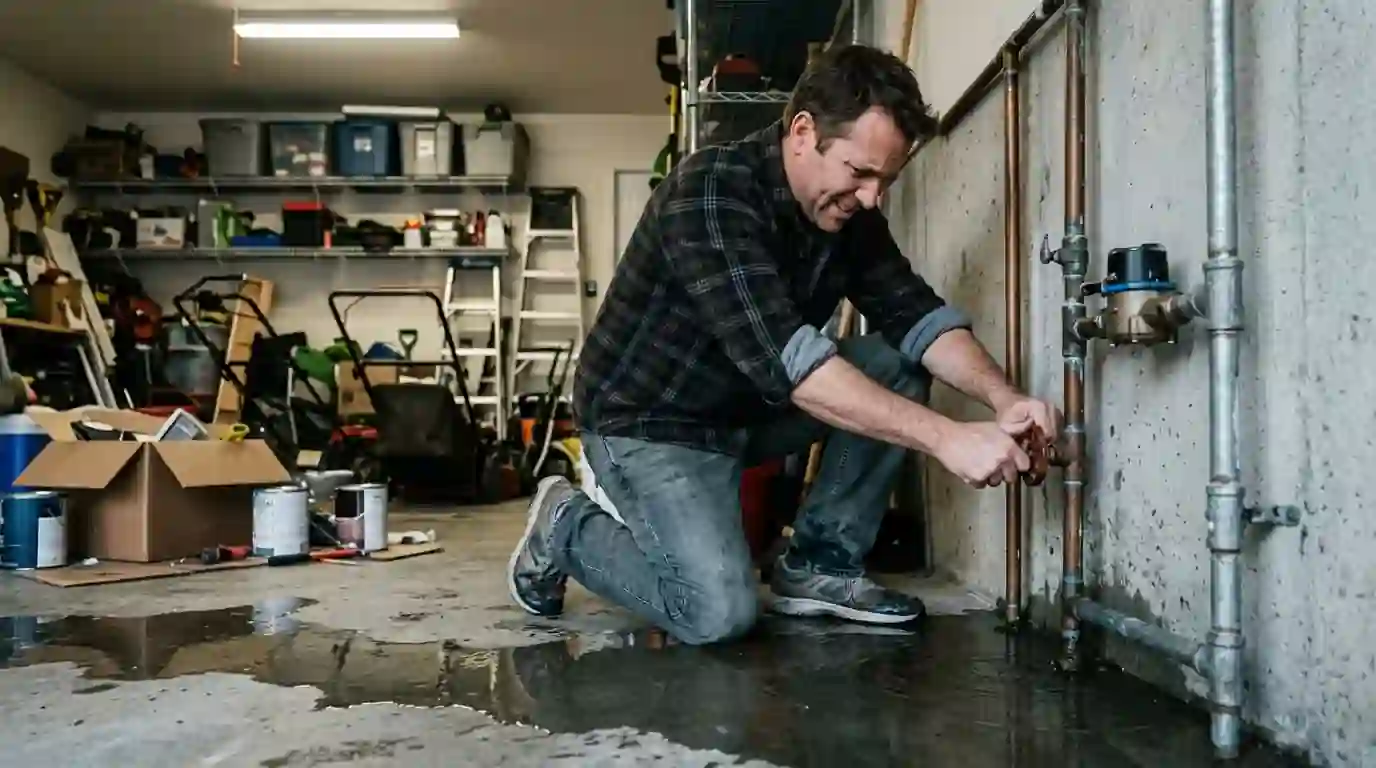
Minute one: shut off the main
Find your main water shutoff. On most Sacramento-area homes it is near the front hose bib, in the garage, or where the line enters the house. Turn it clockwise until it stops, or a quarter turn if it is a lever-style ball valve.
If the main will not turn, the curb valve at the meter box can shut off the house, but it usually needs a meter key. This is a good reason to have a working main valve; see shutoff valve replacement.
Minutes two to four: drain and protect
Open a faucet at the lowest point of the house and a tub faucet to drain pressure from the lines. If water is near outlets, light fixtures or the electrical panel, keep clear and switch off the affected breakers if you can do it safely from a dry spot.
If the burst is on the hot side or near the water heater, turn the heater's gas valve to pilot or switch off its breaker.
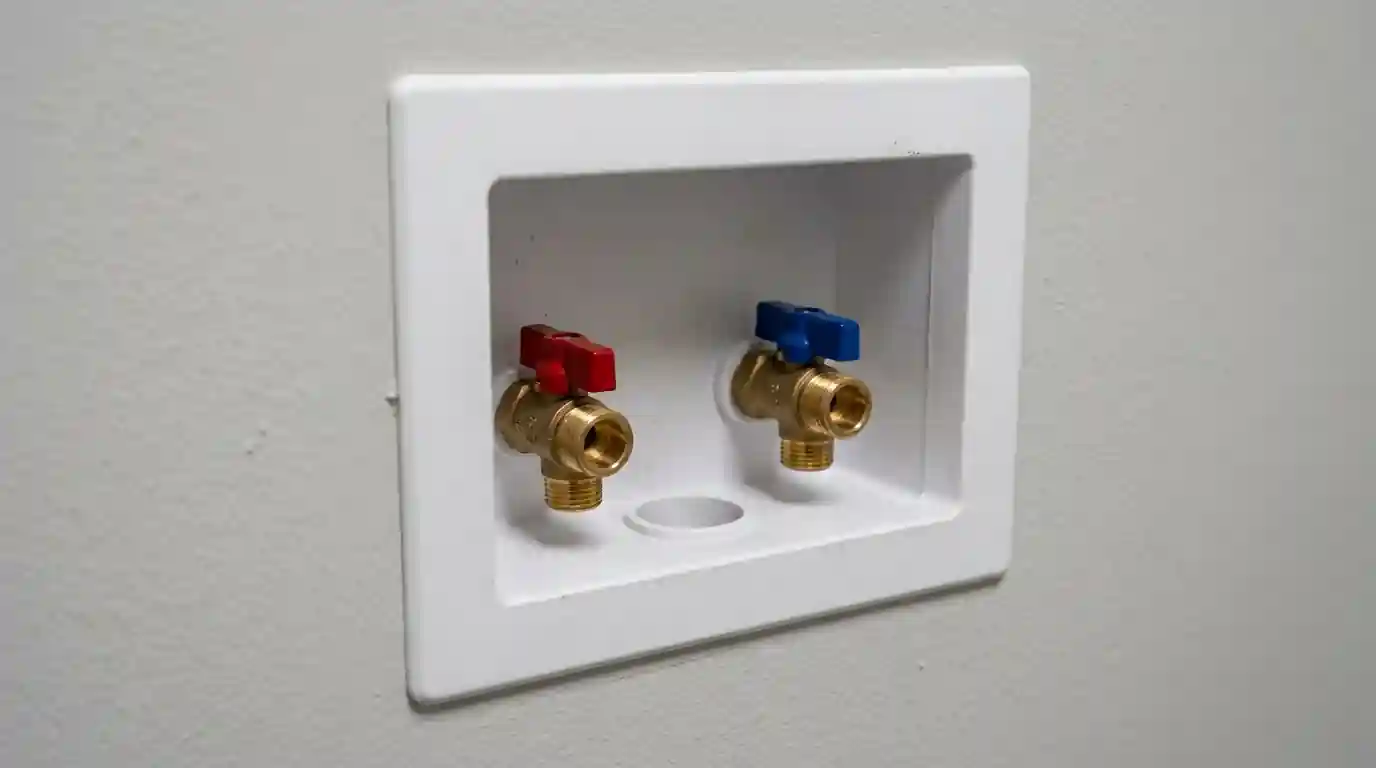
Minutes five to seven: move and mop
Move furniture, electronics and rugs out of the water. Put towels and buckets under drips. Pull wet items out of cabinets. Take photos of the damage and the broken pipe for your insurance claim.
Minutes eight to ten: call
When you call us at (916) 602-0883, tell us where the leak is, what the pipe looks like, whether the water is off and whether any ceilings are sagging. That lets us bring the right parts and give you a realistic arrival window.
Our burst pipe repair page explains what happens when we arrive.
Know your shutoffs before you need them
Walk your house this weekend and find the main shutoff, the water heater cold supply valve and the stops under each sink and toilet. Turn each one off and back on. If any are stiff, leak or will not close, have them replaced before an emergency.
Put a tag on the main valve so anyone in the house can find it. In a burst pipe, every minute of searching is another few gallons on the floor.
Common causes we find after a burst
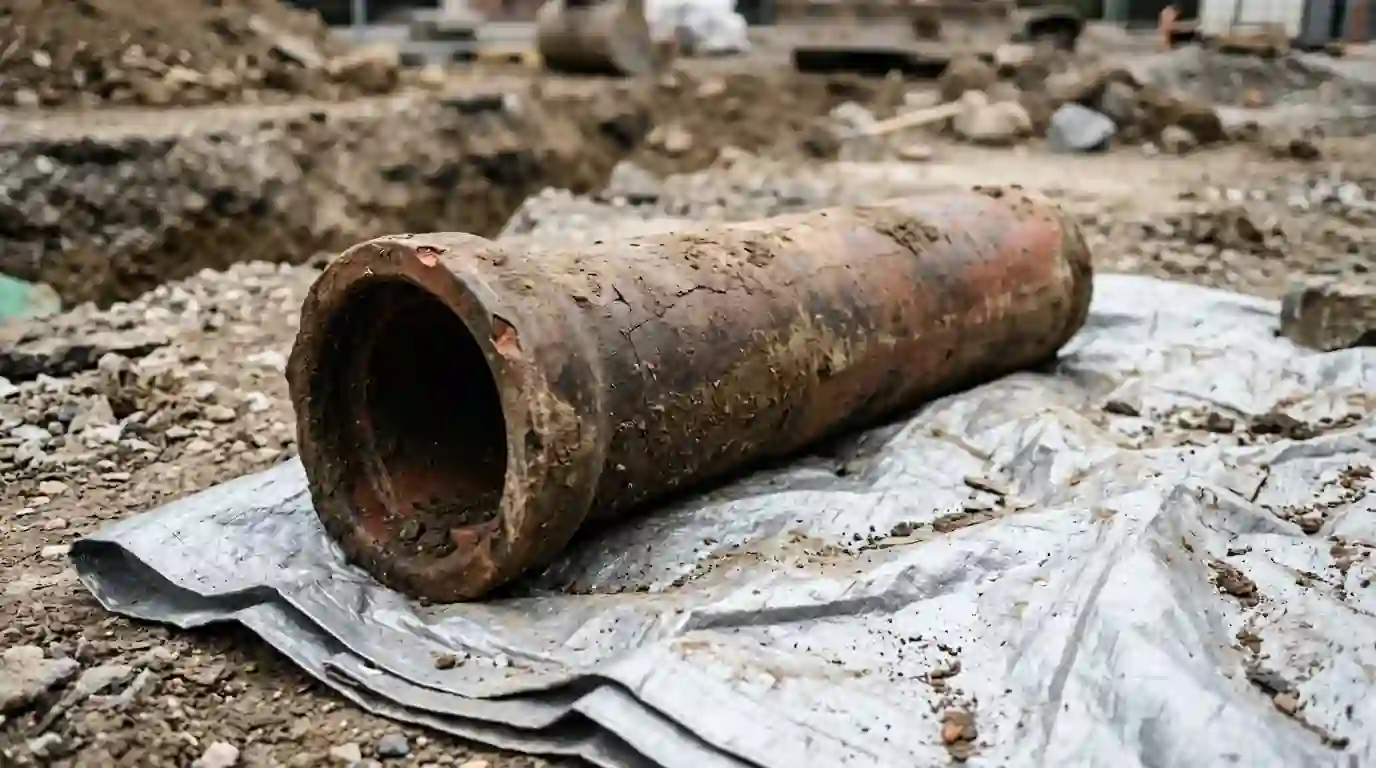
On the valley floor, the usual culprits are corroded galvanized fittings, failed push-to-connect fittings, old braided supply lines under sinks and toilets, and washing machine hoses. High street pressure speeds up all of them.
In foothill homes around Placerville and Garden Valley, freezing is added to that list, especially for hose bibs and pipes in uninsulated crawlspaces and garages. After any burst, we check pressure and the condition of nearby lines so the next one does not come a few feet away.
After the repair
Once the line is repaired, keep fans running and leave cabinet doors open so things dry. If water soaked into drywall or flooring, a drying company can measure moisture and prevent mold. We document the cause so your insurer has what it needs.
Questions readers ask
What causes pipes to burst in Sacramento?
On the valley floor, corrosion, failed fittings, high pressure and accidental damage are most common. In the foothills, freezing also plays a part.
Should I call my insurance first or the plumber?
Stop the water and call the plumber first. Then call your insurer with photos and the plumber's notes.
About the author
Nora Chambliss edits the plumbing articles for John's Plumbing, turning what our plumbers see on Sacramento-area jobs into plain guides for homeowners.
Water where it should not be? Call now.
A John's plumber answers (916) 602-0883 day and night, tells you how to stop the damage, and quotes the repair before any work starts.