Got a backflow test notice? Here is what it means
A letter from your water provider about backflow testing can look urgent and confusing. It is routine, and it is usually a quick fix.
By Nora Chambliss, Plumbing Articles EditorPublished May 6, 2026
What backflow is
Backflow is water flowing the wrong way, from your property back into the public supply. It can happen if pressure in the public main drops suddenly, for example during a main break or firefighting, and water from an irrigation system, boiler or other equipment gets pulled back.
Why you have a device
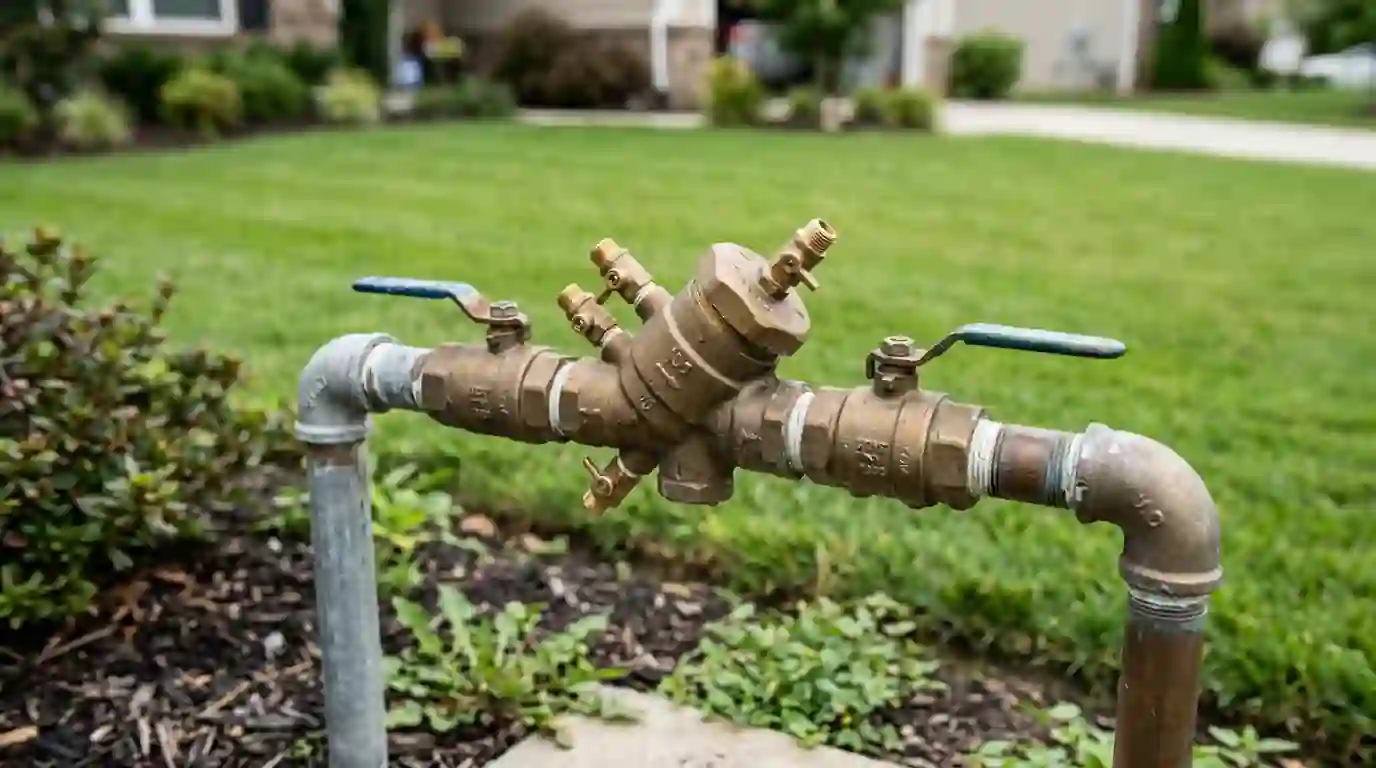
Water providers require backflow prevention assemblies on many properties, especially those with irrigation systems, fire sprinkler lines or commercial equipment. The assembly is the brass device, usually near the meter or in a landscaped area, with two test cocks and shutoff valves.
Why yearly testing
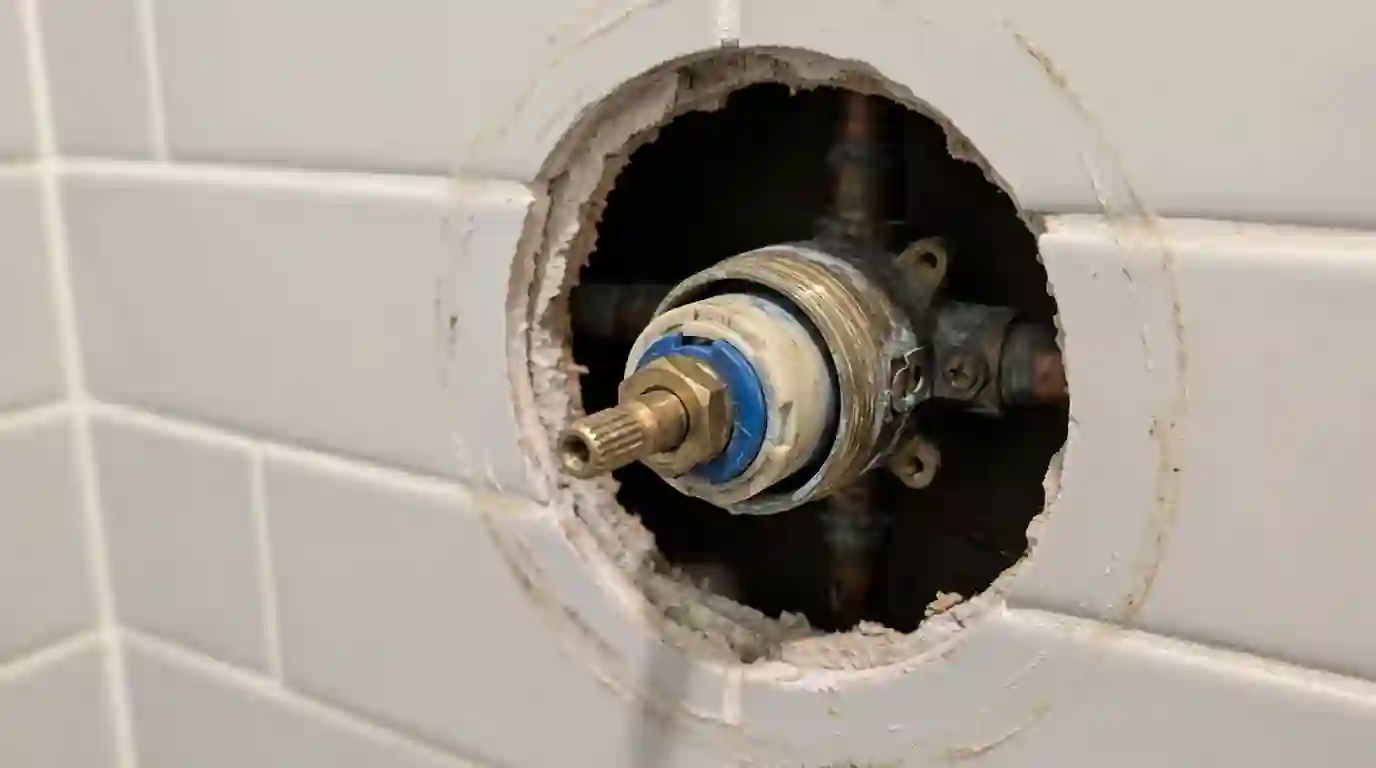
Inside the assembly are check valves and sometimes a relief valve, with springs and rubber parts that wear. Providers require testing every year to make sure the device still works. The notice tells you the deadline.
What the test involves
A tester connects a calibrated gauge kit to the test cocks, shuts the device off briefly and checks how each part holds pressure. It usually takes about half an hour. Results go on the provider's form, which is submitted for you. See backflow testing.
Which properties usually have assemblies
Homes with in-ground irrigation systems connected to the house supply, properties with fire sprinkler systems, and businesses with boilers, carbonated drink machines, medical equipment or chemical processes are the most common. Some providers also require assemblies on properties with private wells or pools.
If you are not sure whether you have one, look near your water meter or along the line where irrigation tees off. Assemblies are usually brass, about a foot long, with two shutoff handles and small test cocks.
Keeping the device healthy
Protect assemblies from freezing in the foothills with an insulated cover. Keep sprinklers and soil from burying them. Do not paint over test cocks. If water drips from the relief valve, schedule a check, because that is the device telling you a part is worn.
Mark the month of your test on a calendar so the next notice is never a surprise.
If the device fails
Most failures come from worn check valve rubber or a stuck relief valve. Those can often be rebuilt on the spot, then retested. Older devices without available parts may need replacement.
Questions readers ask
What happens if I miss the deadline?
Providers may send reminders, add fees or, in some cases, limit service. Testing early avoids that.
Do I need to be home?
Usually not, if the device is accessible and the water can be briefly shut off.
About the author
Nora Chambliss edits the plumbing articles for John's Plumbing, turning what our plumbers see on Sacramento-area jobs into plain guides for homeowners.
Water where it should not be? Call now.
A John's plumber answers (916) 602-0883 day and night, tells you how to stop the damage, and quotes the repair before any work starts.